
2026/10/25
9 min read
Is Trellis 2 Free? Official Pricing & Free Usage Guide (2026)
The Trellis 2 model is MIT-licensed and free to run. The official platform is paid, from $19/month. Real plans, credit math, and a wrapper checklist.
🎉 Launch Sale — 20% OFF all credit packages!
Get CreditsThe Trellis 2 model is MIT-licensed and free to run. The official platform is paid, from $19/month. Real plans, credit math, and a wrapper checklist.
Last updated: October 25, 2026
Yes and no. It depends which "Trellis 2" you mean.
The model is free. TRELLIS.2 was released by Microsoft Research as a 4-billion-parameter image-to-3D model under the MIT license. You can download the weights, run them on your own hardware, modify the code, and use the generated assets commercially. There are no royalties, no per-generation fees, and no attribution requirement.
The official cloud platform (this site) is paid, with plans starting at $19/month. What you pay for is skipping the 24GB GPU, the CUDA setup, and the command-line workflow.
This page is the official source for Trellis2.app pricing. The numbers below match the pricing page. If a third-party site quotes different prices for "Trellis 2", it is selling its own service, not the official platform.
Disclosure: we operate Trellis2.app, one of the options compared here. The model itself belongs to Microsoft Research; we are an independent platform that hosts it. Verify licence claims at github.com/microsoft/TRELLIS.2 and the 24GB requirement in the repository README. Want to try a generation now? The generator runs in the browser — sign up, and your Starter plan credit allowance covers the first tests.
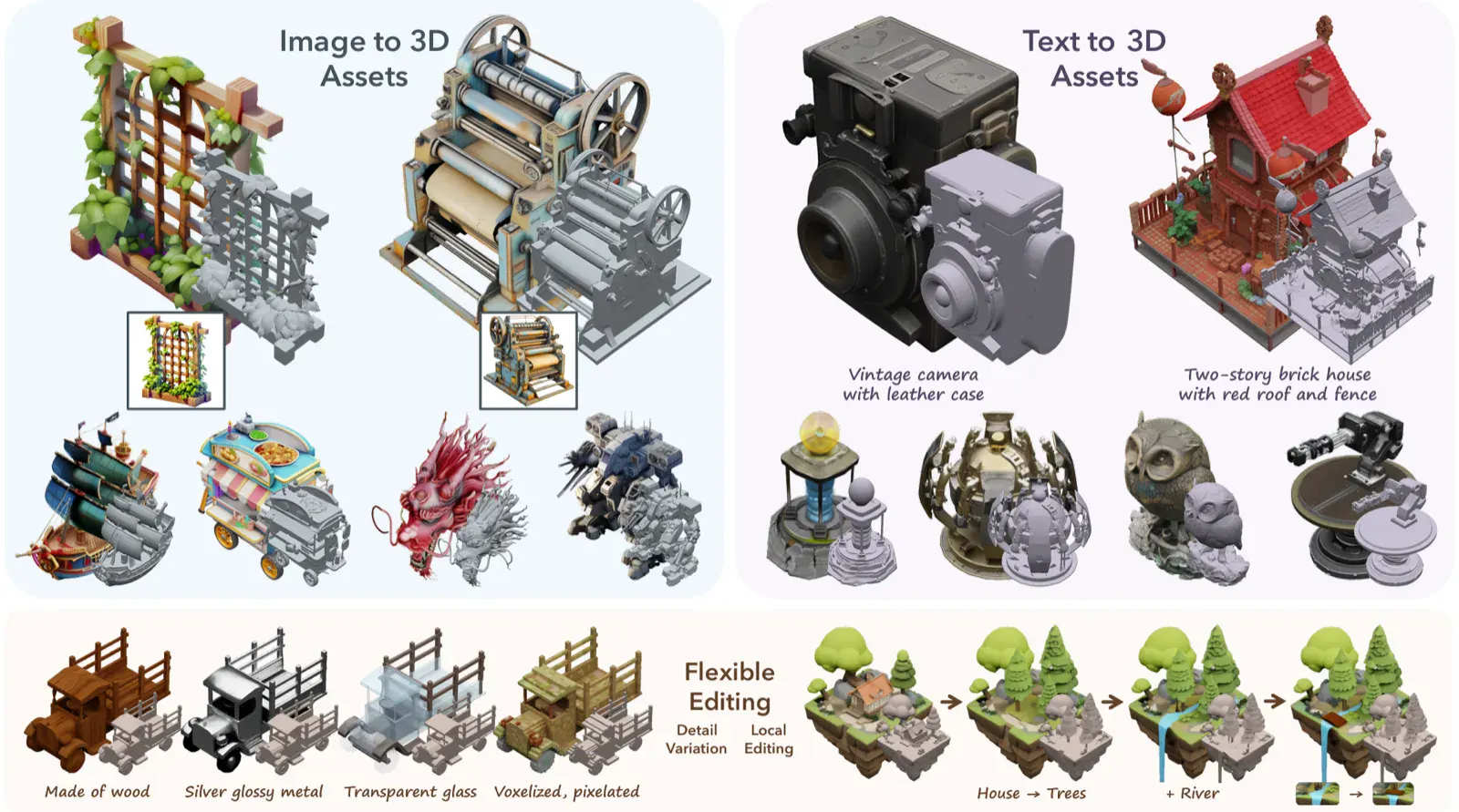
Microsoft Research published TRELLIS.2 on GitHub under the MIT license (microsoft/TRELLIS.2). Two things stay free:
The official repository lists an NVIDIA GPU with at least 24GB of memory as the minimum, verified on A100 and H100. It also expects Linux, a CUDA toolkit (12.4 recommended), and Conda for the Python environment.
That is the only requirement. There is no account, no credit card, no per-generation meter, but there is a hardware bill and a setup session before your first result.
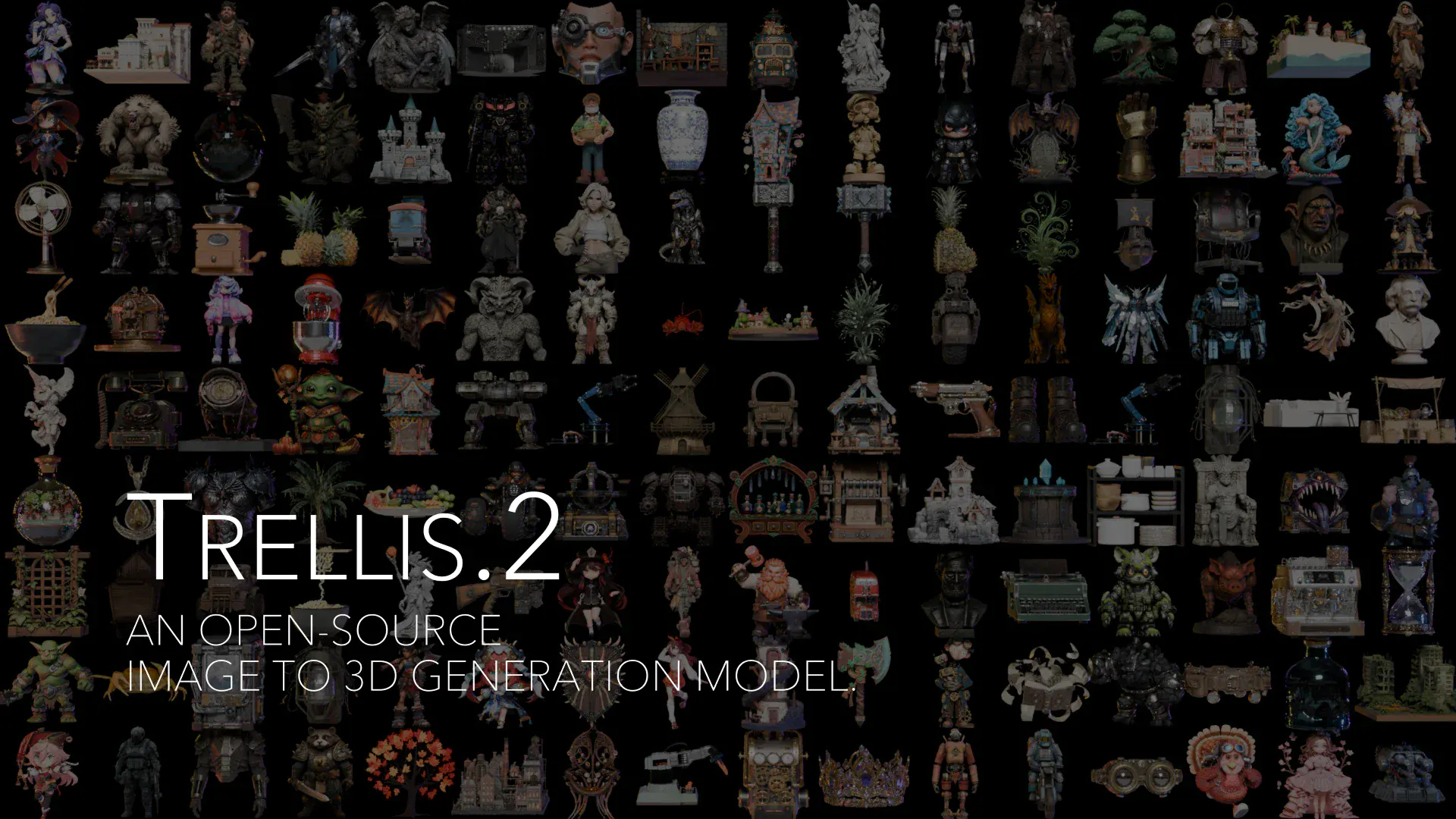
The Trellis2.app platform runs TRELLIS.2 on managed infrastructure. Generation happens in the browser: no GPU, no Python, no installation.
| Plan | Price | Monthly Credits | Best For |
|---|---|---|---|
| Starter | $19/month | 15 credits | Trying the workflow, light personal use |
| Pro | $49/month | 50 credits | Regular creators and small studios |
| Business | $99/month | 120 credits | High-volume production |
Annual billing is available on every plan. Credits reset each month, and each generation costs 1–3 credits depending on the output resolution tier (low / standard / high). At 2 credits, the default 1024³ setting, Starter's 15 credits buy about 7 generations a month; Pro's 50 buy about 25, Business's 120 about 60. Low-resolution runs stretch that further; 1536³ runs cost the most. The live credit breakdown is on the pricing page.
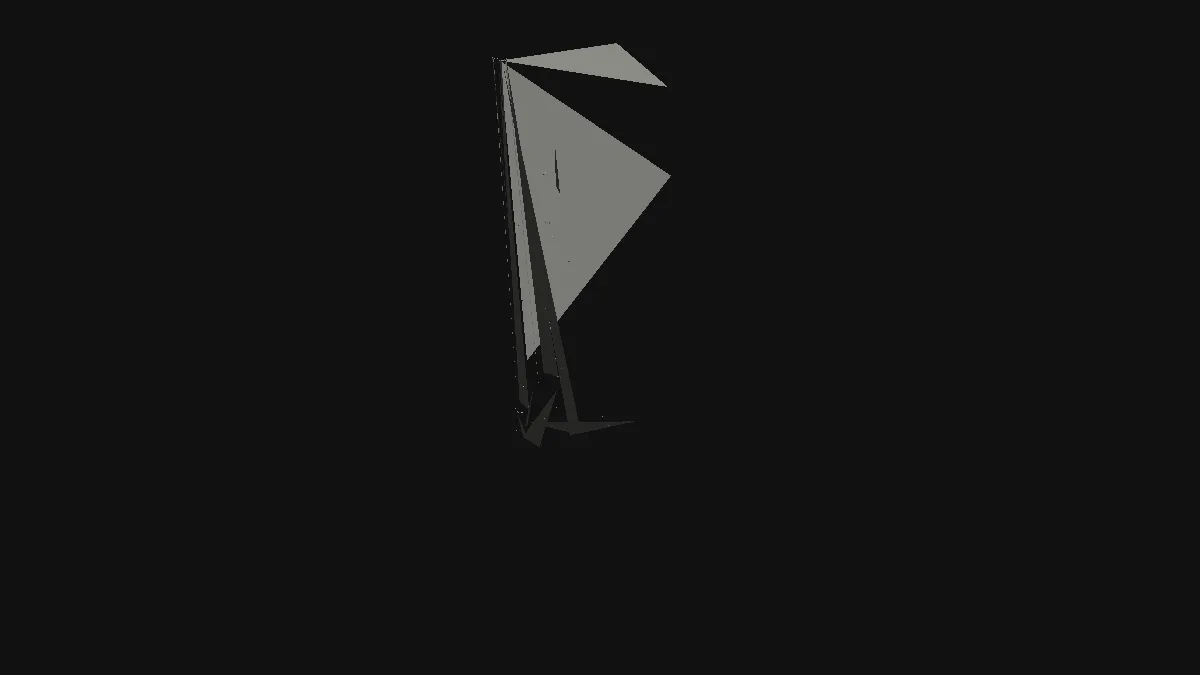
153,733 vertices from Microsoft's official texturing example (The Forgotten Knight by dark_igorek, CC BY, Sketchfab), rendered front-on.
Search "Trellis 2" and you will find several third-party sites reselling access under their own credit systems. Their prices change, so we will not quote them. Here is the checklist that matters:
| Question to Ask | Why It Matters |
|---|---|
| Is PBR texturing included, or billed as a second generation? | Some wrappers charge the shape and texture stages separately |
| What is the maximum resolution? | 512³ versus 1536³ at the same price is a 27× difference in voxel count (1536³ ÷ 512³ = 27) |
| Do purchased credits expire? | Monthly credits and pay-as-you-go credits behave very differently |
| Which model version is running? | Some sites still serve TRELLIS 1 while advertising "Trellis 2" |
| Who fixes a failed generation? | The platform's own support or a reseller's ticket queue |

Third-party pages describe Trellis 2 generation times anywhere from "20 seconds" to "4–8 minutes." Those numbers describe their infrastructure, not the model.
Microsoft's published benchmarks, measured on an H100:
| Resolution | Total | Shape + Material |
|---|---|---|
| 512³ | ~3s | 2s + 1s |
| 1024³ | ~17s | 10s + 7s |
| 1536³ | ~60s | 35s + 25s |
Local and cloud times vary with hardware, queue depth, and post-processing. But if a generation takes 4–8 minutes, it is worth asking what is actually running behind the page.

The open-source route is free in licensing terms. Budget it honestly:
flash-attn, o-voxel, cumesh, nvdiffrast, nvdiffrec), model download (the 4B checkpoint is a sizeable pull), then debugging driver and dependency mismatchesFor developers who already own the hardware and like the CLI, this is hard to beat. For everyone else, $19/month is usually less than the first month of GPU rental plus the evening spent on setup.sh.

Community ComfyUI workflows with quantized weights can run below the official minimum. They are genuinely useful for experimentation, but expect quality trade-offs and a slower pipeline. They also sit outside the official support path. Worth knowing before you rely on them for client work.

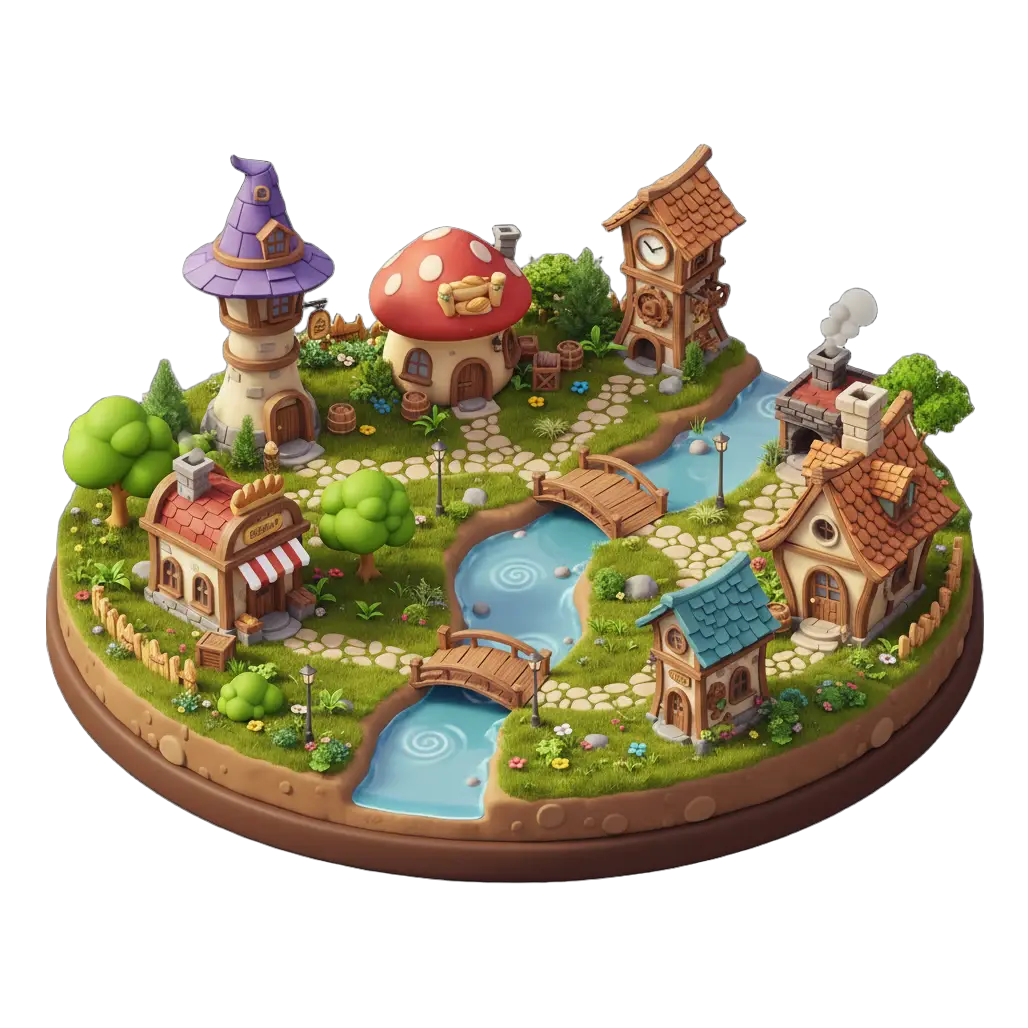
The reason any of this matters is output quality. TRELLIS.2's O-Voxel representation handles shapes that older methods flatten or break:
Textures go beyond color. Base color, roughness, metallic, and opacity are generated per surface, which is what makes the result usable in a real-time engine rather than just a pretty render.

Can you use Trellis 2 commercially? Yes. MIT covers both the software and the outputs. Self-hosted generations and platform generations are both clear for commercial projects, and neither requires a separate license from Microsoft or from us.
Three practical notes:
nvdiffrast and nvdiffrec for PBR rendering. Normal use is fine; redistributing the toolchain requires reading those licenses.
The model is — MIT license, download and run it yourself, including commercially. The official Trellis2.app platform is a paid cloud service starting at $19/month.
Yes. We publish Trellis2.app's pricing, benchmarks, and documentation directly. Other sites offer access to the same model under their own brands and credit systems.
Community demos and Hugging Face Spaces come and go, so we don't link to a specific one. If a free demo is what you want, check that it runs TRELLIS.2 rather than TRELLIS 1, one quick test is a thin, open surface such as leaves or cloth, which TRELLIS 1 tends to flatten.
Not on the platform — generation runs in your browser. For local installation, the official minimum is 24GB of NVIDIA GPU memory.
1536³ voxels with full PBR materials (base color, metallic, roughness, opacity).
Yes. MIT covers commercial use of self-hosted and platform outputs. Input images are still subject to ordinary IP rules.
Credits reset monthly with your plan: Starter 15, Pro 50, Business 120. Consumption scales with output resolution. See the pricing page for the current breakdown.
The official repository targets Linux with NVIDIA CUDA. Community ports and ComfyUI workflows sometimes support other setups, without official guarantees.
microsoft/TRELLIS.2, pull the 4B checkpoint from Hugging Face, and run it locally, free forever.Keep reading: How to Use Trellis 2 Online · Trellis 2 ComfyUI Workflow · Trellis 2 vs Meshy vs Tripo · How Does Trellis 2 Work

3D technology specialists focused on AI-powered 3D model generation, format conversion, and browser-based 3D rendering. We test and review 3D tools so you don't have to.

Official benchmarks, resolution ceilings, license terms, and real outputs — which AI 3D model fits your workflow in 2026.

What Godot MCP is, which of the four main implementations to pick, step-by-step setup for Claude Code, Codex and Cursor, plus the errors you'll actually hit.

Trify3D runs Tripo3D, Meshy, and Rodin on the same prompt or image so you can compare 3D meshes side by side. Features, workflow, pricing, and who it's for.
Join the community
Subscribe to our newsletter for the latest news and updates